New York’s Climate Education Mandate
New York State is leading the charge to make climate education a foundational part of K–12 learning. As part of the NY Inspires Plan, the Board of Regents adopted new regulations requiring climate science instruction across all grade levels. Starting with a multi-year phase-in, every student will soon be learning about climate causes, impacts, and solutions by the end of each grade span — elementary, middle, and high school.

This move reflects a growing recognition that students need real-world knowledge to tackle the environmental challenges of the 21st century. At Space Kitz, we believe the best way to teach these concepts is through active, hands-on exploration. That’s where the Signal Hunters program comes in.
The Signal Hunters Program: Bringing Space to the Classroom

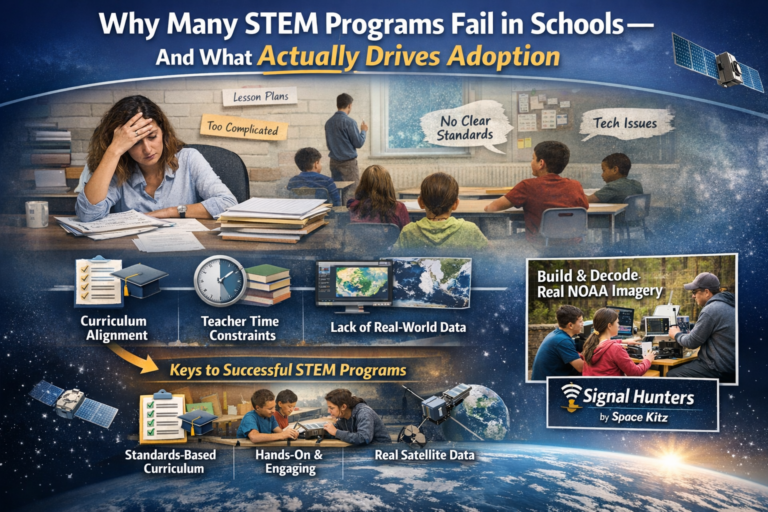
The Signal Hunters kit allows students to build a functioning satellite ground station right in their schoolyard. Working in teams, they assemble an antenna, tripod, and weatherproof enclosure, all connected to a Raspberry Pi and software-defined radio. Once built and aligned, the system can receive live transmissions from NOAA weather satellites.
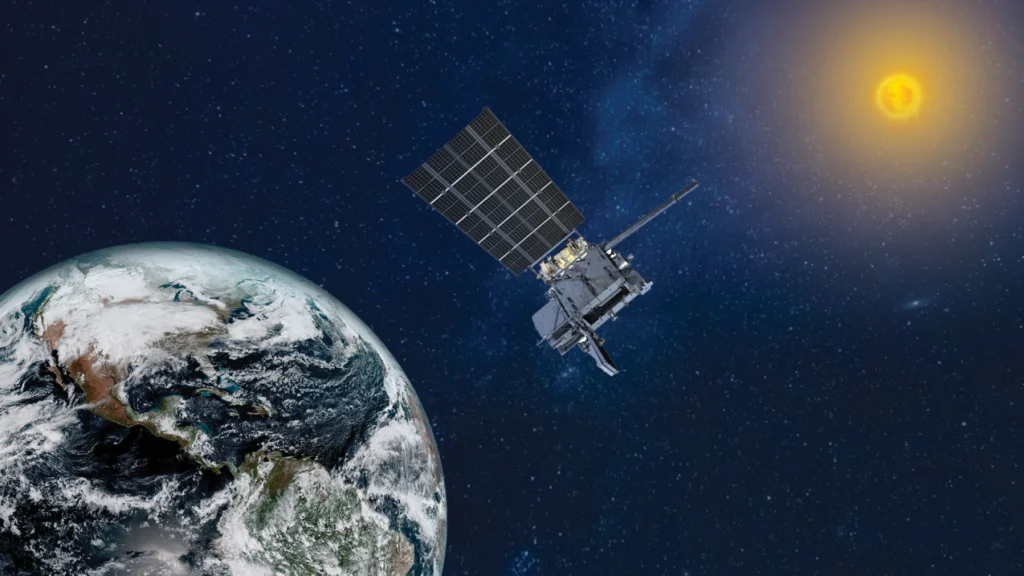
This isn’t just a fun tech build — it’s a gateway to real scientific inquiry. Students gain a first-hand understanding of how satellites work and how we use them to observe Earth’s atmosphere. That moment when they capture their first satellite signal and watch Earth imagery appear on screen is unforgettable.
Real Satellite Data for Weather & Climate Science
Students don’t just study satellite imagery — they generate it themselves. Using the Signal Hunters kit, they receive actual transmissions from geostationary satellites like NOAA’s GOES series. This enables them to observe hurricanes, cloud systems, wildfires, and atmospheric movement as it’s happening.
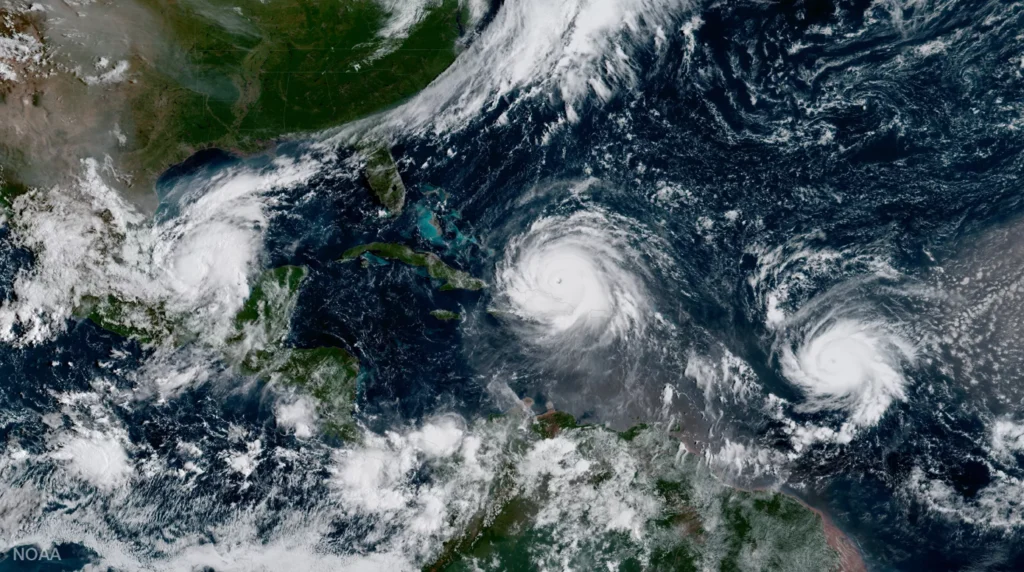
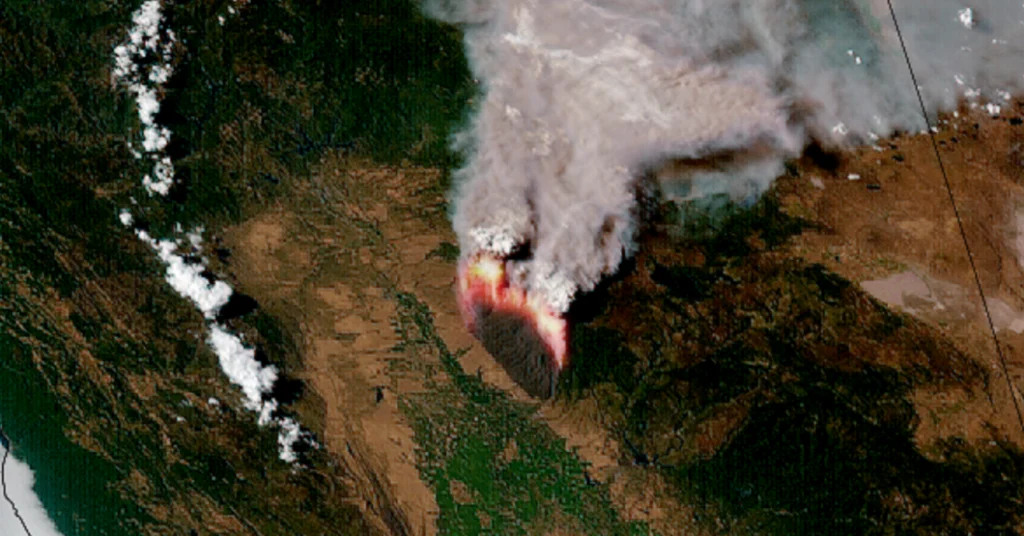
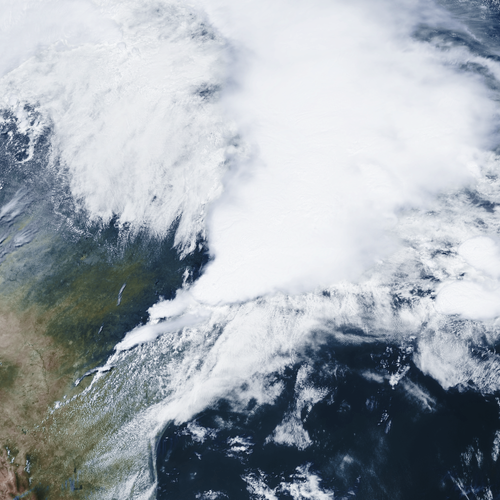
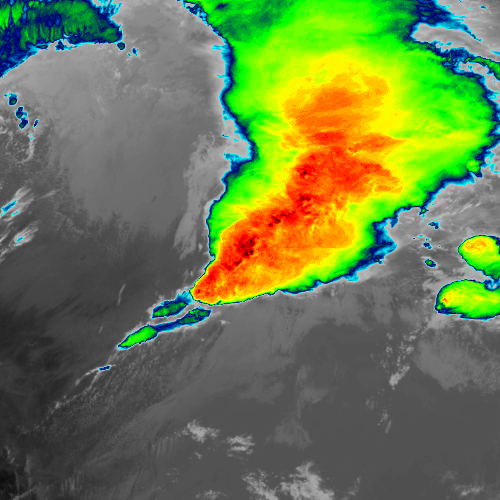
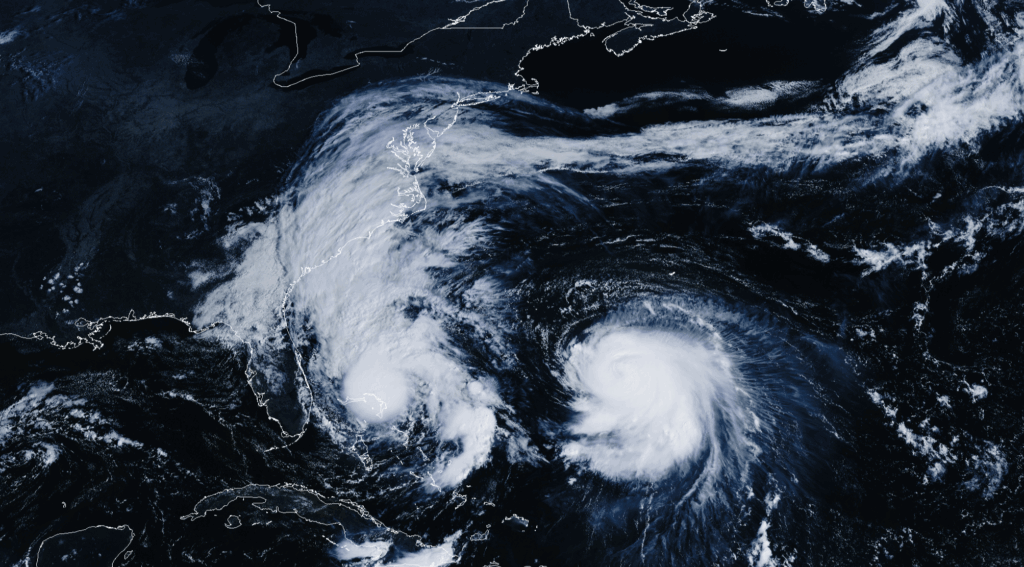
For example, students might receive an infrared image of a storm front or see the smoke plume of a wildfire as it drifts across regions. They can compare images over time, track changes, and discuss what these shifts mean in the broader context of climate science.
This kind of authentic, real-world climate data makes learning deeply engaging and memorable. Instead of reading about climate change, students experience its effects through satellite observation — connecting directly to the science behind the headlines.
Climate-Focused Curriculum and Activities
The Signal Hunters program includes a full curriculum designed to integrate with Earth science and climate education standards. At the heart of this curriculum is the work of John Karvias, an environmental scientist and educator whose expertise in climate systems and science communication has been critical in shaping the program.
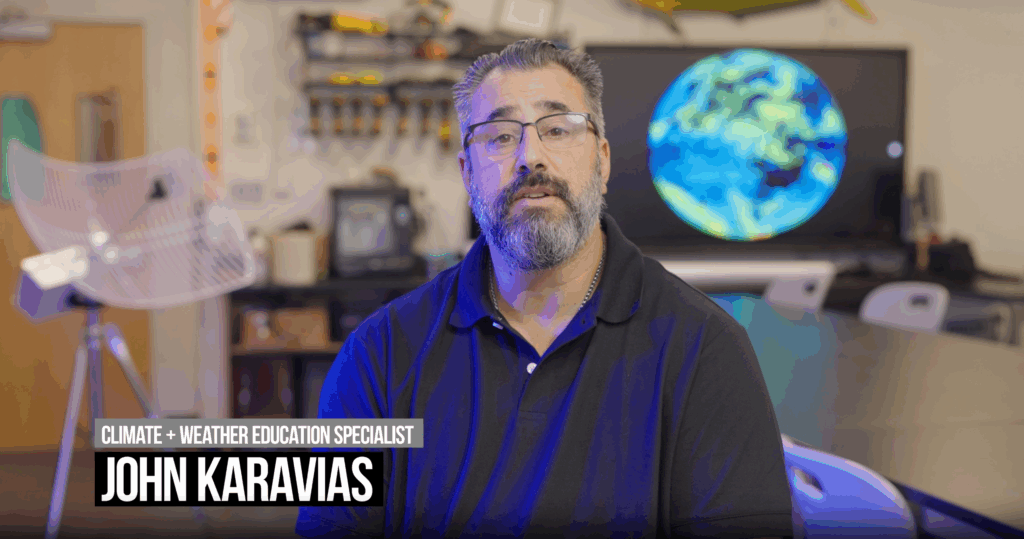
John brings deep experience to the table — he’s a published researcher, former NOAA Climate Steward, and an award-winning science educator known for his ability to connect complex climate science to hands-on classroom learning. He’s worked extensively on climate literacy initiatives across the U.S. and has trained hundreds of educators on how to teach environmental science through inquiry and real-world data.
Thanks to his leadership, the Signal Hunters curriculum goes far beyond weather monitoring. It’s a dynamic, inquiry-driven experience that brings together Earth science, data analysis, and systems thinking. Here’s how the curriculum supports classroom learning:
- Weather Monitoring: Track real-time weather systems and extreme events using NOAA imagery. Students analyze storm patterns, cloud formation, and precipitation changes.
- Climate Change Analysis: Use multi-day observations to identify patterns and discuss long-term climate shifts. Link observations to global warming, atmospheric circulation, and seasonal variability.
- Wildfire and Hazard Tracking: Analyze satellite imagery of environmental events like wildfires or dust storms. Discuss causes, impacts, and mitigation strategies.
- Coding and Math Integration: Students use Python on the Raspberry Pi to decode signals and process data, reinforcing math, logic, and computer science skills.
- Scientific Inquiry: Build hypotheses and run investigations — for example, “Does cloud cover correlate with lower surface temperatures?” — using actual satellite-derived imagery.
This cross-disciplinary approach keeps learners curious and motivated while meeting key educational goals.
Feedback from STANYS and Pilot Schools
At the recent 2025 STANYS Conference in Syracuse, Space Kitz showcased the Signal Hunters program to dozens of science teachers. The response was overwhelmingly positive.
Teachers were thrilled to see students could actually capture live weather satellite data in class. Many remarked how perfectly the program fits with the new state climate mandate — blending space, environmental science, and technology in a way students can truly connect with.
Pilot schools using Signal Hunters have seen similar enthusiasm. Teachers report higher engagement, stronger collaboration, and excitement around climate science lessons. As one teacher put it, “My students felt like real scientists. They built the equipment and saw the Earth from space. It completely changed how they think about weather and climate.”
Aligned with Standards and Funding Opportunities
Signal Hunters was built to align with the Next Generation Science Standards (NGSS) and is a natural fit for schools implementing New York’s new climate education framework. The program directly addresses the key pillars of the new standards — understanding the causes of climate change, exploring its impacts, and discussing viable solutions.
It’s also ideal for schools applying for STEM or environmental education grants. Because Signal Hunters is rooted in real-world data, NASA/NOAA science, and engineering practice, it provides strong justification in funding applications and district-level curriculum planning.
A Powerful Tool for Climate Education
New York’s new climate education requirement is a bold, essential step toward preparing students for the future. But to make climate learning stick, we need more than textbooks — we need tools that bring the science to life.
Signal Hunters does exactly that. It transforms classrooms into space-science labs, where students actively observe and decode real climate data from orbit. Along the way, they build critical thinking, teamwork, coding, engineering, and environmental awareness.
If your school is looking for a way to meet New York’s climate education goals — and spark lasting curiosity in your students — Signal Hunters is the launchpad.